In today’s non-stop world, wellness has moved to the forefront of conversations about how to combat stress and unwind. As a modern concept, wellness has grown steadily in popularity since the mid-20th century, and its tipping point came at the beginning of the 21st century, where it moved from a mere fad to an effective option for preventing and treating health problems.
And it only grew from there. As the Global Wellness Institute reports, the global wellness market grew exponentially from $3.7 trillion in 2015 to $4.2 trillion in 2017, at almost twice the rate of the global economy. Today, wellness is not just a method of treating particular health conditions. It’s a global movement permeating across every industry, from fitness and diet to work and travel.
So, with wellness becoming more ingrained in our collective psyche, wellness centres have soared in popularity too. These places provide a sanctuary from the outside world, with nature and holistic healing interwoven throughout. Here’s how we at Consilo have approached their design and creation.
The Entrance Experience: Moving From the Street to a State of Calm
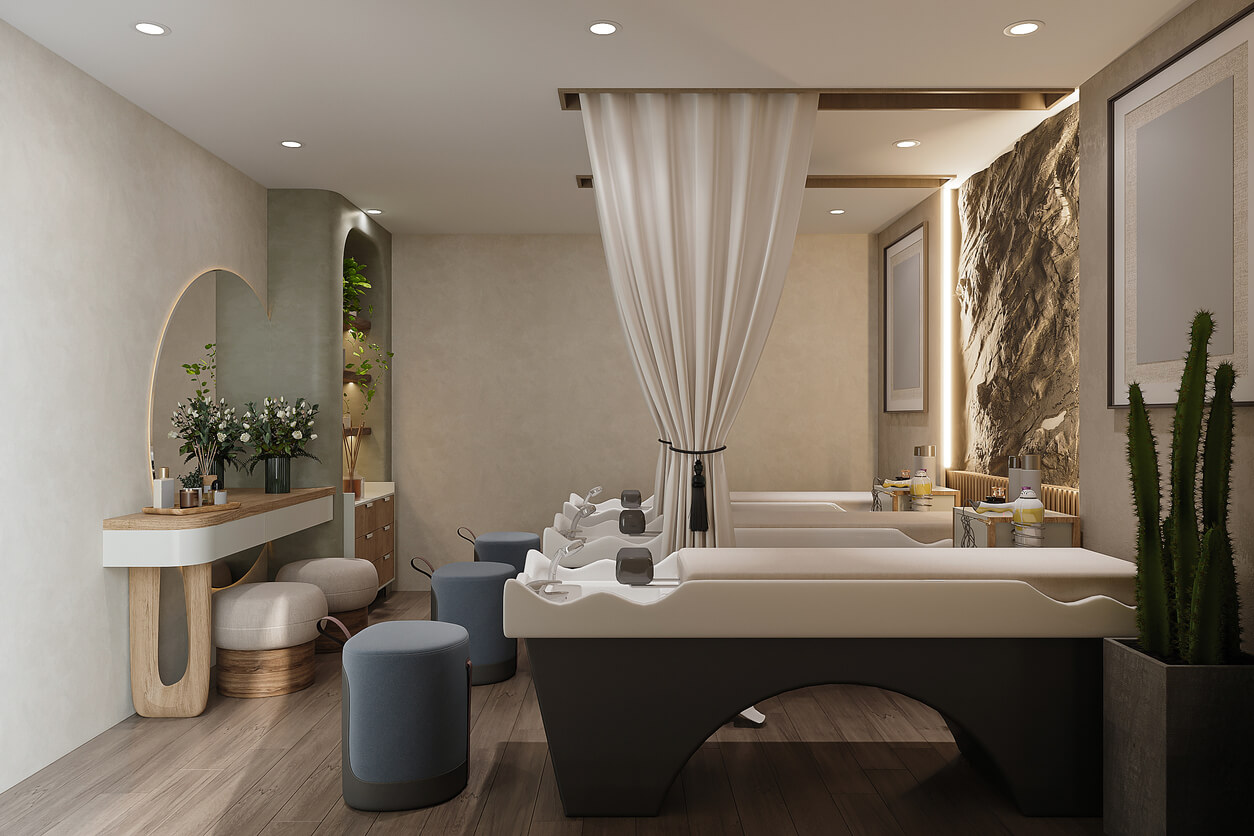
Wellness centres are a place of healing, both physically and mentally, and customers should feel this from the moment they step through the door. Use a calm, neutral colour palette in your reception area and throughout the building, utilising natural materials like timber where possible. Your wellness centre should promote a contrast to the noise and business of the outside world; a minimalist look is the perfect way to help your customers start decluttering their minds and make way for relaxation.
Incorporating Hydrotherapy and Sauna Facilities Safely
Hydrotherapy and sauna facilities are some of the most common attributes of wellness centres, but they must be incorporated safely into the building. Whether you’re building a hydrotherapy room or a sauna, you’ll need to consider how many people will be using it at a time, which will dictate how large the room needs to be. Will the hydrotherapy pool be used for rehabilitation or fitness? This will affect what other equipment you’ll need to make space for in the room.
Both hydrotherapy rooms and saunas must be dehumidified and ventilated properly; removing condensation from surfaces quickly in between sessions greatly reduces the risk of mould developing, and keeping rooms well-ventilated allows for proper circulation of air.
Sound-Mapping the Journey: Keeping “Quiet Zones” Quiet
Customers visit wellness centres to escape the noise of their daily lives, so make sure to integrate high-quality soundproofing throughout your facility. This can be done through natural, recycled materials to keep nature at the heart of any wellness centre. At Consilo, we make use of oak timber: delivering on the soundproofing as well as the aesthetics.
Using Natural Materials to Enhance the Wellness Brand
Wellness has its roots within the natural world, harnessing its power to improve health and well-being as well as mental clarity. In all of our designs, from wellness centres to dental surgeries to office spaces, we favour natural timber over manufactured materials.
By incorporating it seamlessly into your wellness centre – perhaps through the cladding on the walls of your saunas or through coffered style patterns on the ceiling of your reception area – the wellness element of your brand will only be enhanced. We select natural, renewable materials in all our designs and refurbishments, ensuring that comfort, healing and wellness emanate throughout – now and well into the future.
To work with Consilo on your next wellness centre project, just get in touch with the team today. Whether you’re designing a comprehensive healthcare facility or a specialised wellness space, our expertise ensures every detail supports healing and wellbeing.